


On May 28, 2026, as part of the Eurasian Economic Forum, a session was held dedicated to the digital transformation of tourism in the EAEU member states. The key topic of discussion was the formation of a new competitive model for the industry — one in which the decisive factor is not only tourist attractions, but also the quality of the digital environment accompanying travel.
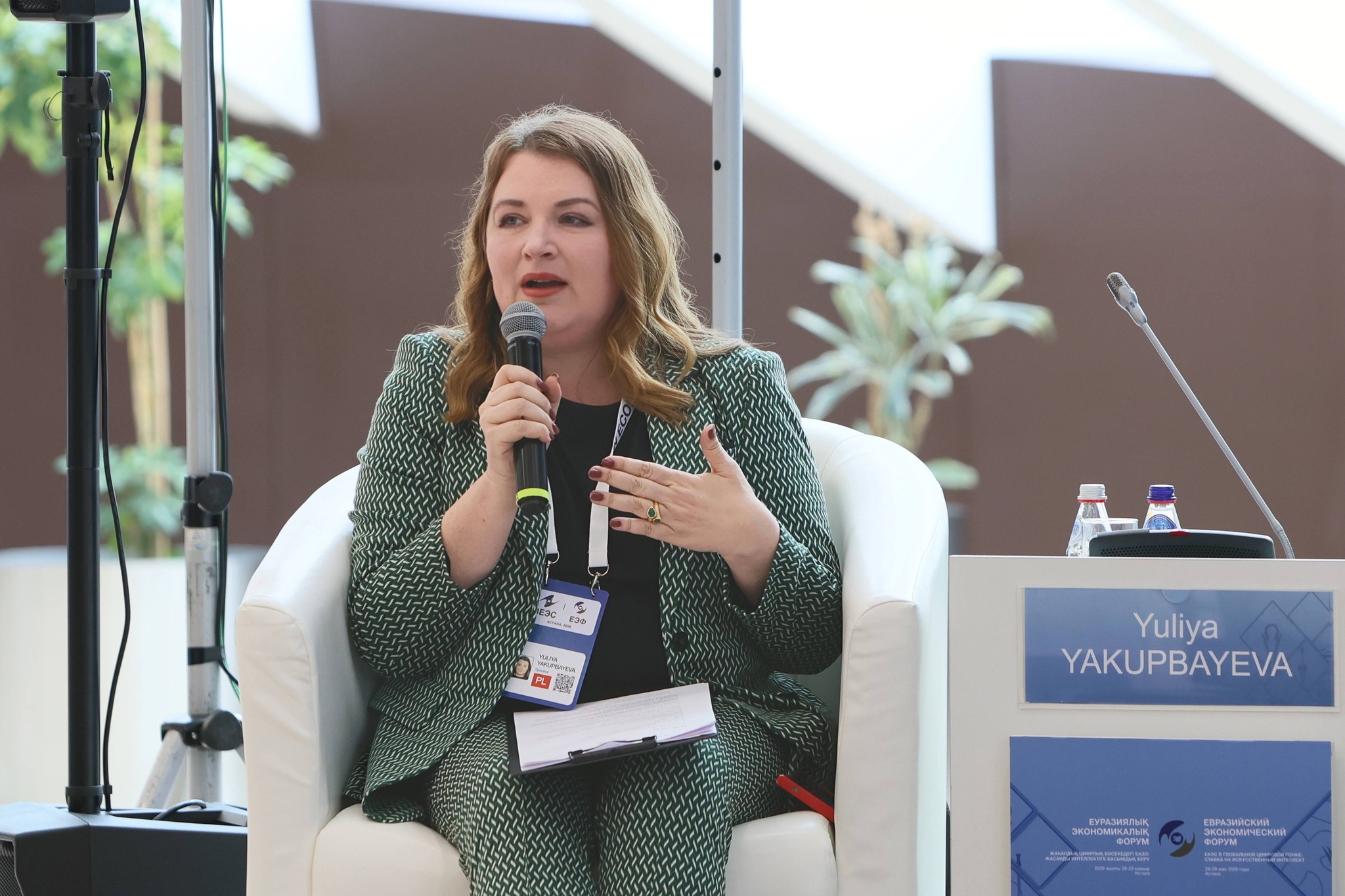
The session was moderated by Yulia Yakupbayeva, Partner at GPI Group and Chair of the Tourism Industry Committee of the National Chamber of Entrepreneurs “Atameken”. Opening the discussion, she noted that the main challenge for the industry today remains the unresolved conflict between the traditional and digital models of tourism business, which poses new challenges for governments in finding a balance between technological development, business interests, and the expectations of today’s travelers. It was in this context that the subsequent discussion was structured around practical case studies, national approaches, and the future of digital integration in the EAEU tourism sector.
Continuing the theme of the need for systemic change and interstate cooperation, welcoming remarks were delivered by Lusine Vacheevna, Deputy Director of the Department for Business Development at the Eurasian Economic Commission, and Ernar Bakenov, Director of the Business Development Department of the Committee.
Developing the topic of industry digitalization at a practical level, Nurlan Mukatayev, Director of the Digital Transformation Department of the Ministry of Tourism and Sports of Kazakhstan, spoke about the development of digital infrastructure and the platformization of the tourism industry. The key thesis of his presentation was the need to create a unified digital space capable of bringing together services, data, and analytics to enhance the quality of the tourist experience.
A natural continuation of this theme was the question of the role of data in the new digital model of tourism. Kirill Masharsky, Director of the National Tourism Agency of the Republic of Belarus, noted the transition from traditional statistics to industry management based on BIG DATA, real-time analytics, and AI solutions, emphasizing that data is becoming the new infrastructure of tourism.
Against the backdrop of intensifying digitalization, particular attention was also paid to its impact on the market. Filipp Guly, Chairman of the Board of the Republican Union of the Tourism Industry of Belarus, addressed the issue of interactions between local tourism businesses and global online aggregators, and the need to establish balanced rules for operating in the digital environment.
The practical continuation of the discussion on digital ecosystems was provided by the experience of Kyrgyzstan. Malika Moltoeva, Deputy Director of the Tourism Department of the Ministry of Economy and Commerce of the Kyrgyz Republic, presented the TUNDUK Travel project, aimed at uniting tourism services into a single digital environment for travelers.
The theme of digital transformation and adaptation of the industry to new conditions was continued by Alexander Osaulenko, Vice President of the Russian Union of the Travel Industry, who shared his perspective on current changes in the tourism industry and the development of the sector amid growing digitalization.
As discussions of technological change and new approaches to industry development continued, an international perspective on the transformation of tourism was offered by Ramon Pomes Hernandez, Advisor to the Minister of Tourism of the Republic of Cuba. In his remarks, he noted that the tourism of the future is already an “engineering of impressions”, where not only countries but also digital travel scenarios compete with one another.
The practical application of digital tools was further explored by Mehak Apresyan, Chairman of the Armenian Tourism Federation, who spoke about the approaches used in Armenia to regulate and develop the tourism sector.
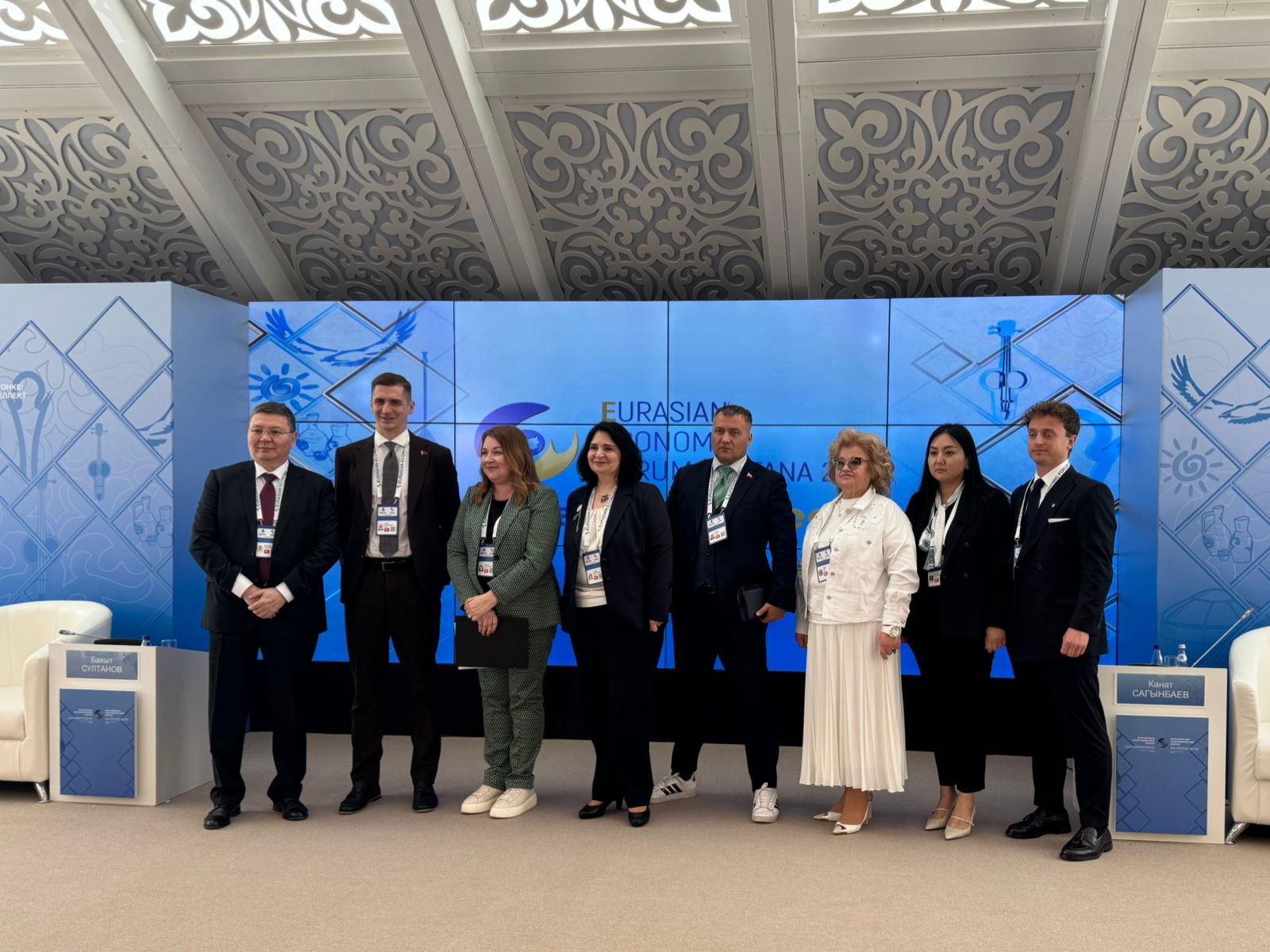
The practical outcomes of the discussion were reflected in presentations by representatives of Kazakhstan’s tourism business. Inna Rey, Chair of the Association of Tour Operators of the Republic of Kazakhstan, addressed the formation of a safety ecosystem in tourism, while Igor Boyko, CEO of Freedom Travel, presented a travel ecosystem case study combining digital services, analytics, and tourist engagement tools. These case studies complemented the overall session agenda, demonstrating how the digital transformation of tourism in the EAEU countries is gradually shaping a unified, interconnected, and user-oriented travel environment.
